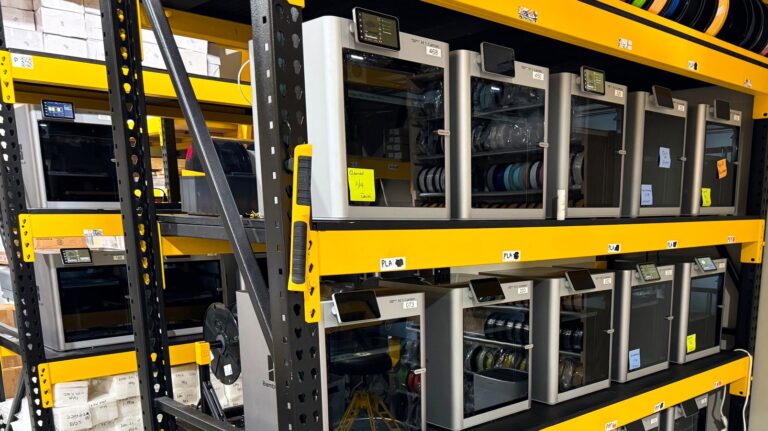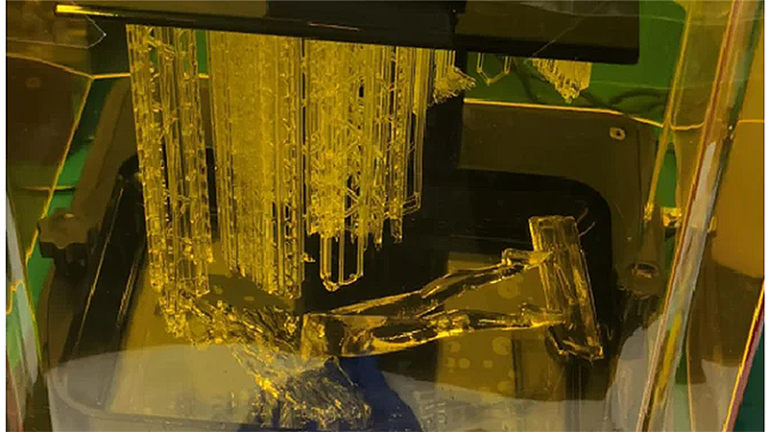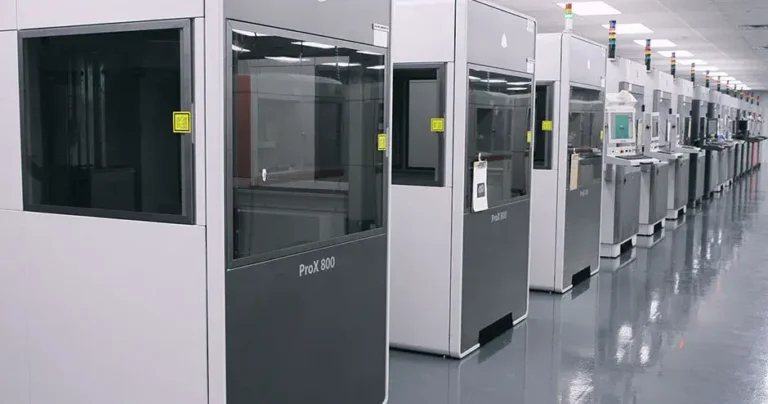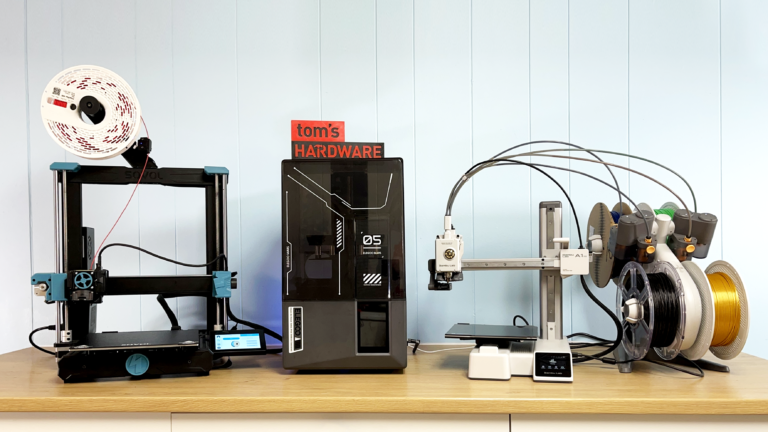
Unlocking growth in additive manufacturing requires a different playbook.
Scaling a 3D printing service isn’t simply about producing more units like a typical product business. The core difference lies in the nature of the offering: you’re selling expertise and customization, not a standardized item. A product business focuses on efficient mass production, inventory management, and streamlined distribution. In contrast, a 3D printing service faces a constantly shifting landscape of unique client needs, materials, and design complexities. Each project is essentially a new prototype, requiring tailored solutions and specialized knowledge.
This translates to several key challenges. Unlike a product business where you can forecast demand based on historical sales data and scale production accordingly, 3D printing services often deal with unpredictable project volumes and varying levels of complexity. Furthermore, the skill and availability of your workforce become a critical bottleneck. Training skilled technicians, managing machine maintenance, and ensuring consistent quality across diverse projects require a fundamentally different operational approach. The sales cycle is also longer and more involved, requiring in-depth consultations and technical expertise to win projects.
Trying to apply traditional product-based scaling strategies to a 3D printing service can lead to significant problems. For example, focusing solely on acquiring more 3D printers without addressing workflow efficiency can create a backlog of unfulfilled orders and frustrated customers. Similarly, neglecting to invest in skilled personnel can result in inconsistent print quality and project delays. A common mistake is to underprice complex projects in an attempt to win bids, which can lead to financial losses and a decline in service quality. Standard marketing approaches that work for selling physical products often fall flat when trying to attract clients seeking highly specialized 3D printing solutions.
Another critical area is inventory management. While you don’t hold finished goods inventory like a product business, you still need to manage a diverse range of materials, filaments, and resins. Inefficient inventory tracking can lead to material shortages, wasted resources, and project delays. Furthermore, neglecting to optimize your quoting process can result in missed opportunities and inaccurate pricing, hindering your ability to scale profitably. The key is to recognize that your service is the product, and your processes must be tailored to deliver exceptional value and customized solutions to each client.


To effectively scale a 3D printing service, you need to adopt tools and strategies specifically designed for the unique challenges of additive manufacturing. First and foremost, invest in a robust 3D printing price calculator like SeekMake. This allows you to quickly and accurately generate quotes based on material costs, printing time, complexity, and other relevant factors. Accurate pricing is crucial for profitability and scalability.
Secondly, implement a comprehensive project management system to track projects from initial inquiry to final delivery. This system should include features for managing customer communication, tracking project milestones, and monitoring resource allocation. Streamlining your workflow is essential for handling a growing volume of projects without sacrificing quality or efficiency. Thirdly, focus on building a strong team of skilled technicians and engineers. Invest in training and development to ensure your team has the expertise to handle a wide range of 3D printing technologies and materials. A knowledgeable and capable team is your most valuable asset.
Consider implementing a CRM (Customer Relationship Management) system to manage customer interactions and sales leads. This will help you track customer preferences, identify opportunities for upselling, and improve customer satisfaction. Finally, invest in high-quality post-processing equipment to ensure your finished parts meet the required specifications. Post-processing is often a critical step in the 3D printing process, and having the right equipment can significantly improve the quality and consistency of your output.
Automation is key to scaling any business, and 3D printing services are no exception. Look for opportunities to automate repetitive tasks, such as file preparation, print queue management, and post-processing. Software integration is also crucial. Connect your 3D printing price calculator, project management system, CRM, and other tools to create a seamless flow of information. This will eliminate manual data entry, reduce errors, and improve overall efficiency.
For example, integrating SeekMake with your CRM can automatically generate quotes based on customer specifications and track the status of each quote. Integrating your project management system with your 3D printers can automatically schedule print jobs and monitor printer status. The goal is to create a fully integrated ecosystem that streamlines your operations and frees up your team to focus on higher-value tasks, such as design optimization and customer service. Explore software solutions that offer API integrations to connect with your existing systems and create custom workflows. By automating and integrating your processes, you can significantly increase your capacity and profitability.
Traditional marketing approaches often fall short when it comes to attracting clients for 3D printing services. Instead of focusing on generic advertising, prioritize targeted marketing that showcases your expertise and capabilities. Develop case studies that highlight your successful projects and demonstrate the value you provide to your clients. Create content that educates potential customers about the benefits of 3D printing and the specific applications you specialize in.
Network with industry professionals and attend trade shows to build relationships and generate leads. Partner with design firms and engineering companies to offer bundled services. Consider offering free consultations or sample prints to attract new clients. Emphasize your commitment to quality, precision, and customer satisfaction. Build a strong online presence through a professional website and active social media profiles. Showcase your capabilities through high-quality photos and videos of your 3D printers in action and finished parts. Most importantly, focus on building trust and establishing yourself as a reliable and knowledgeable partner for your clients.
To track your progress and ensure you’re on the right track, it’s essential to monitor key performance indicators (KPIs). These metrics provide valuable insights into your business performance and help you identify areas for improvement. Some important KPIs for 3D printing services include:
By tracking these KPIs, you can identify bottlenecks in your workflow, optimize your pricing strategy, and improve customer satisfaction. Regularly review your KPIs and make adjustments to your strategies as needed. Remember, continuous improvement is essential for long-term success.
Key Takeaways