Leverage the power of your historical data to forecast demand, optimize print schedules, and minimize material waste in your 3D printing operations.
Waste is a significant problem for 3D printing businesses. From discarded support structures and failed prints to excess materials left unused, the cumulative effect of waste directly impacts your bottom line. Beyond the immediate financial losses, there are also environmental concerns associated with plastic waste. Traditional approaches to minimizing waste often rely on trial and error, which can be time-consuming and ineffective. However, with the advent of predictive analytics, a more proactive and data-driven approach is now possible. By leveraging the wealth of data generated by your 3D printing processes, you can gain valuable insights into patterns, trends, and potential problems, allowing you to optimize your operations and significantly reduce waste. This shift from reactive problem-solving to proactive prevention is key to unlocking greater efficiency and profitability in your 3D printing shop.
One of the most powerful applications of predictive analytics in 3D printing is demand forecasting. By analyzing historical order data, including order volume, part types, material usage, and seasonal trends, you can accurately predict future demand patterns. This allows you to proactively adjust your production schedules, ensuring that you have the right materials and resources available when needed. Imagine knowing in advance that you’ll experience a surge in orders for a specific type of part in the next quarter. With this knowledge, you can optimize your material procurement strategies, negotiate better pricing with suppliers, and avoid costly last-minute rush orders. Furthermore, accurate demand forecasting allows you to fine-tune your marketing efforts, targeting specific customer segments with relevant promotions and offerings, further boosting sales and minimizing the risk of overstocking.
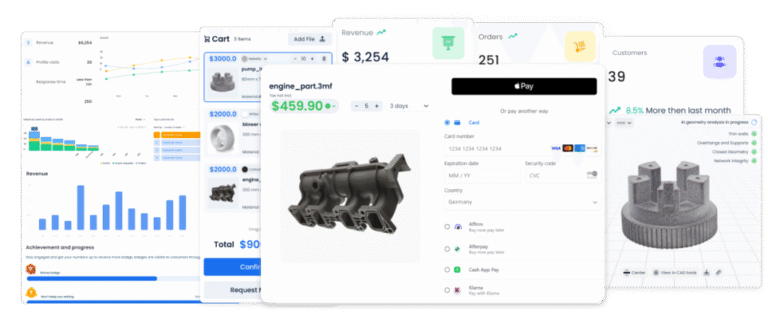
SeekMake’s platform excels at providing this historical data in an easy to digest format.


Predictive analytics can also be used to optimize batch printing schedules, minimizing material waste and maximizing printer utilization. By analyzing factors such as part geometry, material properties, and printer performance, you can identify optimal printing parameters and configurations for different types of jobs. For example, you can use predictive models to determine the most efficient orientation for parts on the build platform, minimizing support structure requirements and reducing material consumption. You can also optimize the order in which parts are printed, minimizing printer downtime and maximizing throughput. Furthermore, predictive analytics can help you identify potential bottlenecks in your production process, allowing you to proactively address them before they cause delays or inefficiencies. By continuously monitoring printer performance and material usage, you can identify patterns that indicate potential problems, such as printer malfunctions or material degradation, and take corrective action before they lead to costly failures or wasted materials.
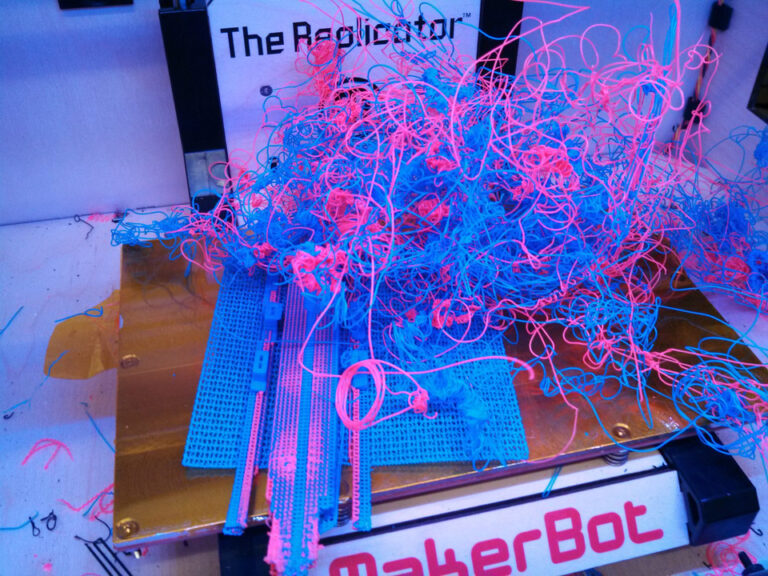
Failed prints are a major source of material waste in 3D printing. Predictive analytics can help you minimize failures by identifying patterns and factors that contribute to print failures. By analyzing data from sensors on your 3D printers, such as temperature, vibration, and material flow, you can detect anomalies that may indicate an impending failure. For example, a sudden drop in temperature or a change in vibration patterns could signal a problem with the printer’s heating system or motion control system. By identifying these anomalies early on, you can take corrective action before the print fails, saving valuable time and materials. Furthermore, predictive models can be trained to identify specific types of print failures, such as warping, delamination, or cracking, allowing you to adjust printing parameters to prevent these failures from occurring in the first place. This proactive approach to failure prevention can significantly reduce material waste and improve the overall efficiency of your 3D printing operations.
SeekMake is designed to empower 3D printing businesses with the data and insights they need to optimize their operations and minimize waste. Our platform automatically collects and analyzes data from your 3D printers, providing you with a comprehensive view of your production processes. With SeekMake, you can easily track key metrics such as material usage, print success rates, and printer uptime. Our advanced analytics tools allow you to identify patterns and trends that can help you improve your efficiency and reduce waste. Furthermore, SeekMake provides you with the tools you need to implement predictive analytics in your 3D printing shop, allowing you to forecast demand, optimize batch printing schedules, and prevent print failures. By partnering with SeekMake, you can unlock the full potential of your 3D printing business and achieve greater profitability and sustainability. We provide the tools; you provide the expertise to revolutionize your business.
Implementing predictive analytics in your 3D printing shop doesn’t have to be complicated. Start by focusing on collecting and analyzing the data that you already have. Use SeekMake to track key metrics and identify areas where you can improve your efficiency and reduce waste. Begin with simple predictive models, such as forecasting demand based on historical order data. As you gain experience, you can gradually implement more complex models, such as predicting print failures based on sensor data. Remember that predictive analytics is an iterative process. Continuously monitor your results and adjust your models as needed. By embracing a data-driven approach to 3D printing, you can unlock significant improvements in your efficiency, profitability, and sustainability. The first step is understanding your current waste output, then leveraging data to predict future waste patterns. Then, implement strategies to reduce waste and watch your profits increase.
Key Takeaways