Your roadmap to launching a successful 3D printing service in the evolving landscape of additive manufacturing.
Starting a 3D printing business in 2026 requires more than just access to technology; it demands a strategic understanding of the market and a keen eye for identifying profitable niches. Begin with thorough market research to assess the current demand for 3D printing services in your target geographic area. Analyze existing competitors, their pricing strategies, and the types of services they offer. Look for underserved segments or emerging trends that you can capitalize on.
Niche selection is crucial for success. Consider focusing on a specific industry, such as aerospace, medical devices, automotive, or consumer goods. Alternatively, you could specialize in a particular 3D printing technology or material. For example, you might offer high-resolution SLA printing for jewelry prototypes or specialize in printing with durable carbon fiber reinforced nylon for functional parts. The key is to find a niche where you can differentiate yourself from the competition and offer unique value to customers. Evaluate the market size, growth potential, and profitability of each potential niche before making a decision.
Consider the long-term trends in additive manufacturing. How will advancements in materials science, automation, and software impact the industry in the coming years? By anticipating these trends, you can position your business for sustainable growth and success. Research the regulatory landscape surrounding 3D printing in your region and ensure that your business complies with all applicable laws and regulations. This proactive approach will help you avoid potential legal issues down the road.
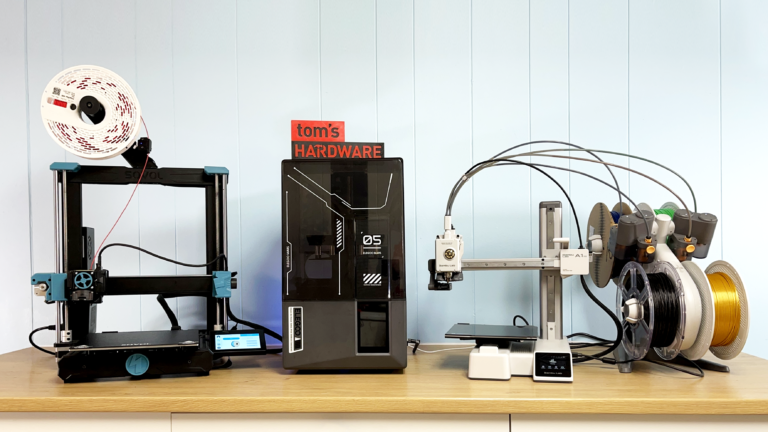
Selecting the appropriate 3D printing technology and materials is paramount to delivering high-quality parts that meet your customers’ needs. Fused Deposition Modeling (FDM) remains a popular choice for its affordability and versatility, while Stereolithography (SLA) and Selective Laser Sintering (SLS) offer superior precision and material options. Consider the specific requirements of your target market when making your decision. If you plan to produce large, functional parts, FDM might be the best option. If you need to create intricate prototypes or high-resolution models, SLA or SLS may be more suitable.
Beyond the printing technology, material selection is equally important. Research the properties of different 3D printing materials, such as PLA, ABS, PETG, nylon, polycarbonate, and various resins. Evaluate their strength, durability, heat resistance, and chemical resistance. Consider the intended application of the parts you will be producing and choose materials that can withstand the operating environment. For example, if you are printing parts for outdoor use, you will need to select a material that is UV resistant.
Investing in a diverse range of materials can broaden your service offerings and attract a wider range of customers. However, it’s important to manage your inventory effectively to minimize waste and ensure that you always have the materials you need on hand. Establish relationships with reliable material suppliers and negotiate favorable pricing terms. Stay up-to-date on the latest advancements in 3D printing materials and explore new options as they become available. As materials evolve, so will the potential applications for your 3D printing business.


A well-defined workflow is essential for efficient and profitable 3D printing operations. Streamline the process from initial customer inquiry to final part delivery. Implement a system for managing orders, tracking progress, and communicating with customers. Use project management software to coordinate tasks and ensure that deadlines are met. Invest in quality control equipment to verify the accuracy and consistency of your prints.
Developing a transparent and competitive pricing strategy is crucial for attracting customers and maximizing profitability. Consider all the costs associated with 3D printing, including material costs, machine time, labor costs, and overhead expenses. Research the pricing strategies of your competitors and identify opportunities to differentiate yourself. Offer a range of pricing options to cater to different customer needs. For example, you could offer a standard service with a longer lead time and a premium service with expedited delivery.
Implement an online quoting system to provide customers with instant price estimates. SeekMake offers a powerful and user-friendly platform for creating custom quoting systems that integrate seamlessly with your website. By automating the quoting process, you can save time and reduce the risk of errors. Use data analytics to track your pricing performance and identify areas for improvement. Regularly review and adjust your pricing strategy to ensure that you remain competitive and profitable.
In 2026, a strong online presence is non-negotiable for any 3D printing business. Your website serves as your virtual storefront, showcasing your capabilities and attracting potential customers. Invest in a professional website design that is visually appealing, user-friendly, and mobile-responsive. Clearly communicate your services, target markets, and unique selling propositions. Showcase high-quality images and videos of your 3D printed parts to demonstrate your expertise.
Integrate an e-commerce platform into your website to enable customers to place orders and make payments online. SeekMake provides a comprehensive e-commerce solution specifically tailored for 3D printing businesses. With SeekMake, you can easily create product listings, manage inventory, process payments, and track orders. The platform also offers advanced features such as online quoting, design file upload, and automated order processing. By using SeekMake, you can streamline your online operations and provide a seamless customer experience.
Optimize your website for search engines to improve your visibility in online search results. Use relevant keywords throughout your website content, meta descriptions, and image alt tags. Build high-quality backlinks from other websites to improve your domain authority. Regularly update your website with fresh content, such as blog posts, case studies, and customer testimonials. By implementing a comprehensive SEO strategy, you can attract more organic traffic to your website and generate more leads.
Effective marketing is essential for attracting customers and generating revenue for your 3D printing business. Identify your target audience and tailor your marketing efforts to their specific needs and interests. Use a multi-channel marketing approach that combines online and offline tactics. Invest in search engine optimization (SEO) to improve your website’s visibility in search results. Run targeted advertising campaigns on platforms like Google Ads and social media. Create engaging content, such as blog posts, videos, and infographics, to educate your audience about the benefits of 3D printing.
Network with potential customers at industry events, trade shows, and conferences. Join relevant online communities and participate in discussions. Offer free consultations or sample parts to attract new clients. Build relationships with local businesses and organizations. Consider partnering with complementary businesses, such as engineering firms or product design companies, to expand your reach. Ask satisfied customers for testimonials and referrals. Word-of-mouth marketing can be a powerful tool for generating new business.
Leverage social media to promote your 3D printing services and engage with your audience. Create profiles on relevant platforms like LinkedIn, Facebook, and Instagram. Share updates about your latest projects, technologies, and materials. Run contests and giveaways to generate excitement and attract new followers. Respond to comments and messages promptly to build relationships with your audience. Use social media analytics to track your performance and optimize your marketing efforts.
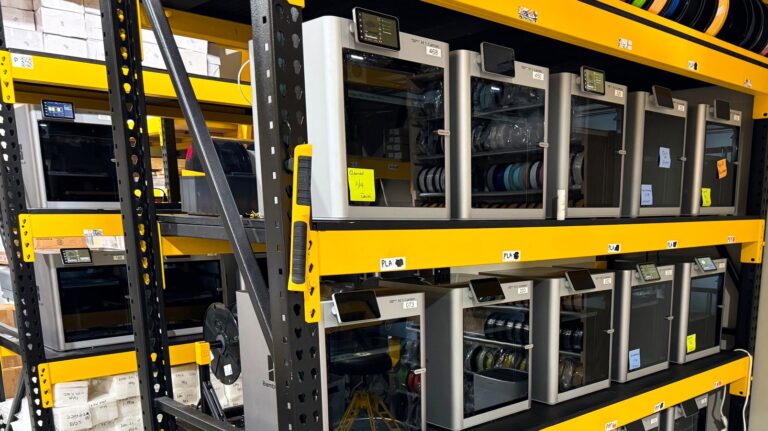
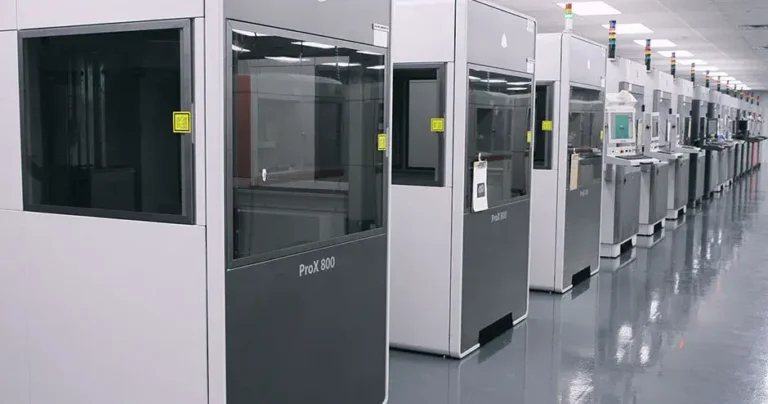
Once you have established a solid customer base and a reliable workflow, you can begin to scale your 3D printing business for long-term growth. Invest in additional 3D printers to increase your production capacity. Automate processes to improve efficiency and reduce costs. Hire skilled employees to handle increased workload. Expand your service offerings to cater to a wider range of customer needs. Explore new markets and geographic regions. Consider offering design services, post-processing services, or assembly services.
Implement a robust quality management system to ensure that your prints consistently meet customer expectations. Invest in advanced software and hardware to improve your capabilities. Stay up-to-date on the latest advancements in 3D printing technology and materials. Attend industry conferences and training courses. Continuously improve your processes and procedures. Seek feedback from your customers and use it to improve your services. By focusing on quality, innovation, and customer satisfaction, you can build a sustainable and profitable 3D printing business.
Consider seeking funding from investors or lenders to finance your expansion plans. Develop a detailed business plan that outlines your goals, strategies, and financial projections. Present your business plan to potential investors or lenders. Be prepared to answer questions about your business model, competitive landscape, and growth potential. By securing funding, you can accelerate your growth and achieve your long-term goals. Remember that SeekMake can scale with you, offering enterprise solutions as your business grows and your needs evolve.
Key Takeaways