Attract larger orders and foster customer loyalty by offering competitive volume discounts on your 3D printing services.
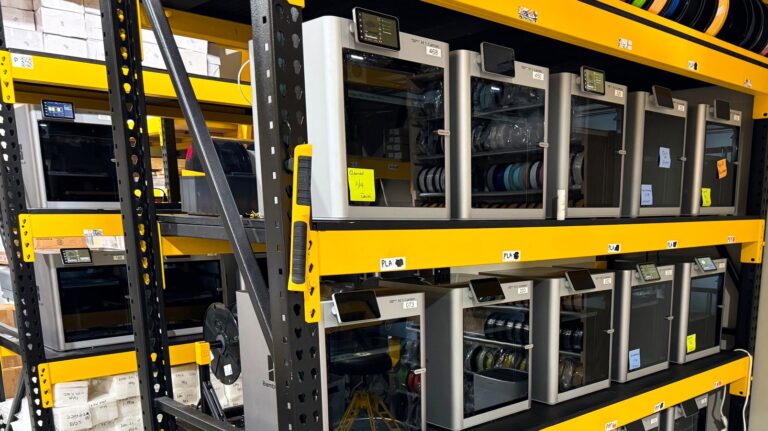
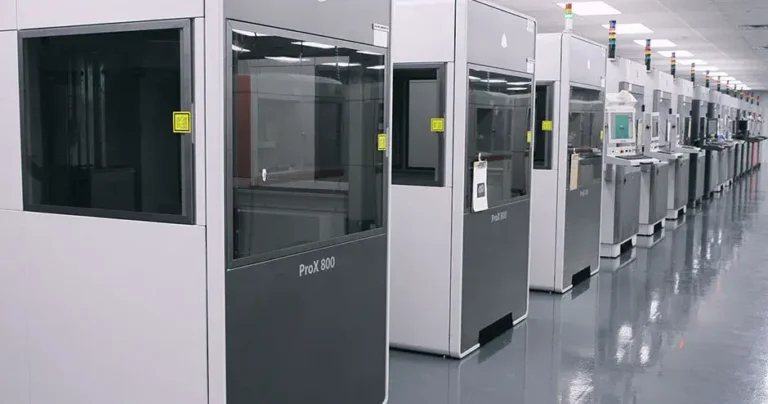
Volume-based pricing, also known as quantity break pricing, is a tiered pricing strategy where the cost per unit decreases as the order volume increases. This approach is crucial for 3D printing services aiming to attract not only one-off prototyping jobs but also larger production runs and repeat business. The core idea is simple: printing 100 parts should not simply cost 100 times the price of printing one part. There are economies of scale in 3D printing, and your pricing should reflect that.
For example, printing a single PLA part might cost $20, reflecting setup time, material usage, and machine time. However, printing 10 of the same part might only cost $15 per part, and printing 100 or more might bring the price down to $10 per part. This tiered structure incentivizes customers to consolidate their orders with you, leading to increased revenue and potentially stronger customer relationships.
This pricing strategy is especially attractive to businesses that require multiple iterations of a prototype or need a small batch of end-use parts. By offering lower prices for larger quantities, you position yourself as a competitive and reliable partner for their manufacturing needs.
Implementing volume discounts is not just about lowering prices; it’s a strategic move that can significantly impact your 3D printing business. Here’s why it matters:
Without volume discounts, you risk losing potential production orders to competitors who offer more attractive pricing for larger quantities. Implementing this strategy is a key step in scaling your 3D printing business.


Let’s illustrate how to set up volume discounts with a practical example. Consider offering 3D printing services for FDM parts using PLA material. Here’s a sample pricing tier:
These prices are examples and should be calibrated based on your specific costs, machine capabilities, and market conditions. To determine your specific pricing, carefully analyze your expenses, including material costs, electricity consumption, labor hours, and machine depreciation. Also, research your competitors’ pricing to understand the market landscape and ensure your discounts are competitive.
Consider factors like part complexity, print time, and material usage when determining your tiers. Complex parts requiring more support material or longer print times might warrant slightly higher prices, even within the volume discount structure.
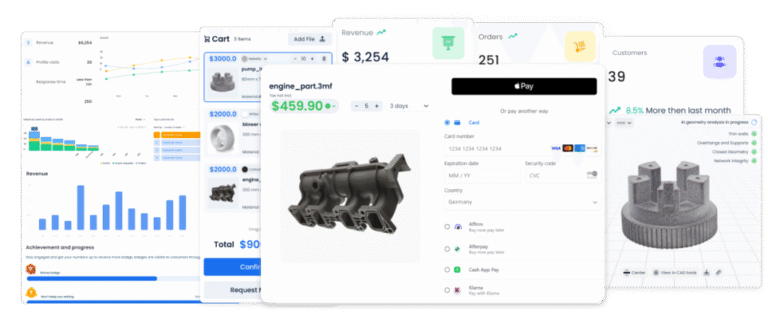
SeekMake simplifies the process of implementing volume-based pricing for your 3D printing service. Here’s how you can configure it within the platform:
SeekMake will automatically calculate the appropriate price based on the quantity entered by the customer, ensuring accurate and consistent pricing for all orders. You can adjust these settings at any time to adapt to changing market conditions or production costs.
While setting up volume discounts is a great first step, here are some best practices to ensure you maximize their effectiveness:
By following these best practices, you can effectively leverage volume discounts to grow your 3D printing business and build lasting customer relationships.
Key Takeaways