SeekMake Blog

Why Spreadsheets Are Failing Your Manufacturing Business and What to Replace Them With

Discover the limitations of spreadsheets and how a Manufacturing OS can revolutionize your business.

Published on SeekMake
4 MIN READ |
manufacturing softwaremanufacturing os3d printingmanufacturing efficiencyseekmake
Introduction

The Spreadsheet Struggle: A Common Scenario in Manufacturing

For many small to medium-sized manufacturing businesses, especially in the 3D printing sector, spreadsheets have become the default tool for managing critical operations. From tracking customer orders and managing pricing to maintaining inventory and scheduling production, Excel seems like a readily available and cost-effective solution. It’s easy to see the initial appeal: spreadsheets are familiar, customizable, and seemingly powerful.

However, as businesses grow and the complexity of operations increases, the limitations of relying solely on spreadsheets become increasingly apparent. What starts as a simple solution can quickly turn into a tangled web of interconnected files, manual data entry, and a breeding ground for errors. This reliance on spreadsheets can significantly hinder efficiency, limit scalability, and ultimately impact profitability.

02

The Pitfalls of Spreadsheet-Based Manufacturing

While spreadsheets might seem adequate at first, they come with several critical drawbacks that can severely impact your manufacturing business:

  • Version Control Nightmares: Multiple team members working on the same spreadsheet can lead to version conflicts and data inconsistencies. Determining which version is the most up-to-date and accurate becomes a constant headache, potentially leading to costly mistakes.
  • Lack of Automation: Spreadsheets require manual data entry, which is time-consuming and prone to errors. Automating tasks like order tracking, inventory management, and report generation is virtually impossible, hindering efficiency and slowing down processes.
  • Limited Customer Access: Spreadsheets are typically internal tools, offering no direct access to customers. This lack of transparency can lead to communication bottlenecks, delays in order updates, and a diminished customer experience.
  • Manual Error Mayhem: Human error is inevitable with manual data entry. Incorrect formulas, typos, and outdated information can quickly propagate through spreadsheets, leading to inaccurate reports, flawed decision-making, and ultimately, financial losses.

These limitations can stifle growth, reduce profitability, and create unnecessary stress for your team.

The Pitfalls of Spreadsheet-Based Manufacturing
Introducing the Manufacturing OS: A Smarter Solution
03

Introducing the Manufacturing OS: A Smarter Solution

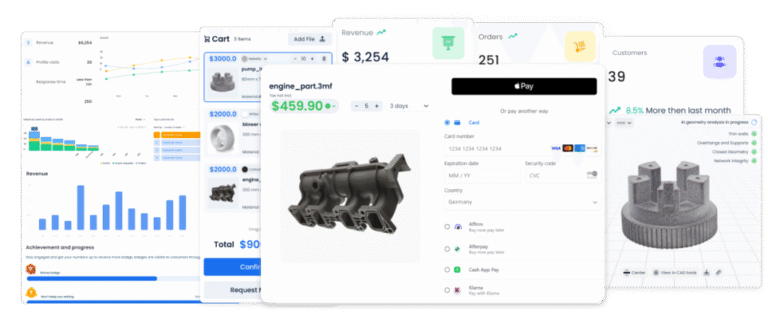
A Manufacturing Operating System (OS) like SeekMake offers a comprehensive and integrated solution to overcome the limitations of spreadsheets. It replaces the fragmented spreadsheet stack with a single, centralized platform that streamlines operations, automates tasks, and provides real-time visibility into every aspect of your manufacturing process.

Imagine a system where customer orders are automatically tracked, inventory levels are updated in real-time, production schedules are optimized, and pricing is calculated accurately – all within a single, user-friendly interface. This is the power of a Manufacturing OS.

04

How SeekMake Replaces the Spreadsheet Stack

SeekMake is designed to be the central nervous system of your manufacturing business. Here’s how it replaces the limitations of spreadsheets:

  • Centralized Data Management: All your critical data – customer information, order details, pricing, inventory levels, production schedules – is stored in a single, secure database, eliminating version control issues and ensuring data consistency.
  • Automated Workflows: SeekMake automates repetitive tasks such as order processing, inventory management, and report generation, freeing up your team to focus on higher-value activities.
  • Customer Portal: Provide your customers with a secure online portal where they can track their orders, view pricing, and communicate directly with your team, enhancing transparency and improving customer satisfaction.
  • Real-Time Insights: Generate accurate reports and gain real-time visibility into your key performance indicators (KPIs), enabling data-driven decision-making and continuous improvement.
  • Reduced Errors: By automating data entry and calculations, SeekMake minimizes the risk of human error, ensuring accuracy and reliability.
05

Benefits of Switching to a Manufacturing OS

The transition from spreadsheets to a Manufacturing OS like SeekMake offers numerous benefits, including:

  • Increased Efficiency: Automate tasks, streamline workflows, and reduce manual data entry, freeing up your team to focus on more strategic initiatives.
  • Improved Accuracy: Eliminate errors and ensure data consistency, leading to more reliable reports and better decision-making.
  • Enhanced Customer Satisfaction: Provide customers with real-time order updates and a seamless online experience.
  • Scalability: Easily manage growing order volumes and increasing complexity without being held back by spreadsheet limitations.
  • Reduced Costs: Minimize errors, improve efficiency, and optimize resource allocation, leading to significant cost savings.

By embracing a Manufacturing OS, you can transform your business from reactive to proactive, empowering you to make informed decisions and achieve sustainable growth.

06

Making the Transition: A Step Towards Growth

Switching from spreadsheets to a Manufacturing OS might seem daunting at first, but the long-term benefits far outweigh the initial effort. SeekMake is designed to be user-friendly and intuitive, making the transition as smooth as possible. Our team provides comprehensive training and support to ensure you get the most out of the platform.

By taking the leap and embracing a modern Manufacturing OS, you’re investing in the future of your business, positioning yourself for sustainable growth and long-term success in the competitive manufacturing landscape.

Key Takeaways

  • Manufacturing software
  • Manufacturing os
  • 3d printing
  • Manufacturing efficiency
  • Seekmake
  • Process automation