Discover how QR codes can revolutionize your 3D printing operations and boost customer engagement.
In today’s fast-paced business environment, efficiency and accessibility are paramount. QR codes offer a simple yet powerful solution to bridge the gap between the physical and digital worlds, making them an invaluable asset for 3D printing businesses. Imagine a customer receiving a 3D printed prototype and instantly accessing its specifications, material information, and even a tutorial video simply by scanning a QR code. This is the power of QR codes – providing instant access to crucial information, enhancing customer experience, and streamlining various business processes.
For 3D printing services, QR codes can be implemented across various touchpoints. From product packaging and marketing materials to equipment maintenance logs, the possibilities are virtually limitless. By strategically placing QR codes, you can provide customers and employees with immediate access to relevant data, reducing response times and improving overall operational efficiency. This ultimately translates to increased customer satisfaction and a stronger bottom line for your business.
Moreover, QR codes offer a cost-effective and environmentally friendly alternative to traditional methods of information dissemination. Instead of printing lengthy manuals or brochures, you can simply direct users to a digital resource via a QR code, saving on printing costs and reducing paper waste. This aligns with the growing trend of sustainability and resonates positively with environmentally conscious customers.
One of the key benefits of QR codes is their ability to streamline internal operations within your 3D printing business. Consider using QR codes to manage inventory, track equipment maintenance, and facilitate employee training. For example, you can attach a QR code to each 3D printer, linking to its maintenance schedule, troubleshooting guides, and a log of past repairs. This allows technicians to quickly access the information they need, reducing downtime and improving equipment lifespan.
Similarly, QR codes can be used to manage material inventory. By attaching QR codes to material spools or containers, you can track usage, monitor stock levels, and automate reordering processes. This helps to prevent material shortages, optimize inventory management, and reduce waste. Furthermore, QR codes can be used to facilitate employee training. By linking QR codes to online training modules, tutorials, and safety guidelines, you can ensure that employees have access to the information they need to perform their jobs safely and effectively.
Integrating QR codes into your operational workflows can significantly improve efficiency, reduce errors, and enhance overall productivity. By automating data collection and information retrieval, you can free up employees to focus on more strategic tasks, such as product development and customer service.


QR codes are not just for internal operations; they can also be a powerful tool for marketing and customer engagement. Imagine including a QR code on your business cards that directs potential clients to your online portfolio or case studies. Or, consider adding a QR code to your 3D printed products that links to a customer feedback form or a special promotional offer. The possibilities are endless.
QR codes can also be used to create interactive marketing campaigns. For example, you could launch a contest where customers scan QR codes hidden throughout your website or social media channels to win prizes. This not only drives engagement but also helps to increase brand awareness and generate leads. Furthermore, QR codes can be used to provide customers with exclusive content, such as behind-the-scenes videos, design tutorials, or early access to new products. This creates a sense of exclusivity and strengthens customer loyalty.
By strategically incorporating QR codes into your marketing efforts, you can create a more engaging and personalized customer experience. This can lead to increased customer satisfaction, higher conversion rates, and ultimately, greater business success.
Let’s explore some specific examples of how 3D printing businesses can leverage QR codes:
These are just a few examples of how QR codes can be used to improve efficiency, enhance customer experience, and drive business growth. By thinking creatively and identifying areas where QR codes can add value, you can unlock their full potential and gain a competitive edge in the 3D printing industry.
Implementing QR codes is a straightforward process. Here’s a step-by-step guide to get you started:
By following these steps, you can successfully implement QR codes and start reaping the benefits they offer.
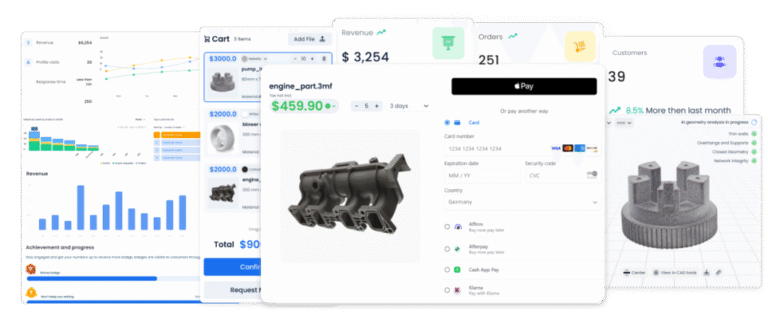
SeekMake’s 3D printing price calculator platform can be seamlessly integrated with QR code technology to provide an even more streamlined and efficient experience for your customers. Imagine a customer scans a QR code on a prototype, instantly accessing a pre-filled quote request form on SeekMake. This eliminates manual data entry, reduces the risk of errors, and speeds up the quoting process.
Furthermore, SeekMake can generate unique QR codes for each quote request, allowing you to track the status of each project and manage your workflow more effectively. This integration creates a seamless connection between the physical and digital worlds, providing customers with a convenient and efficient way to request quotes and manage their 3D printing projects. By combining the power of SeekMake with the versatility of QR codes, you can provide your customers with a truly exceptional experience.
We are developing a plugin that will allow you to easily generate QR codes directly from the SeekMake platform, linking to pre-populated quote requests and other relevant information. Stay tuned for more updates on this exciting new feature!
Key Takeaways