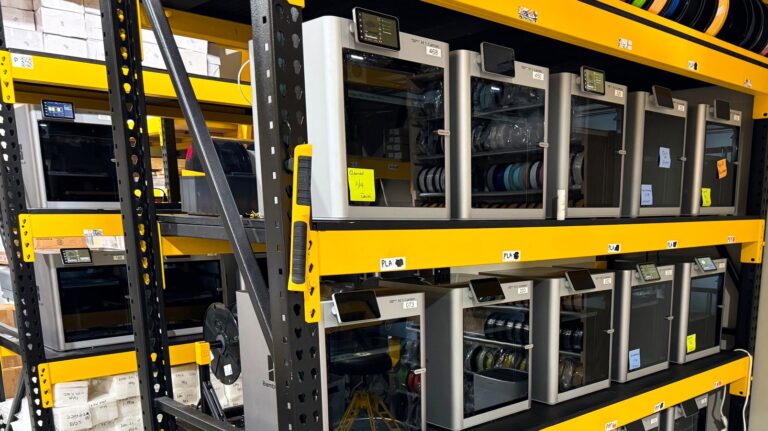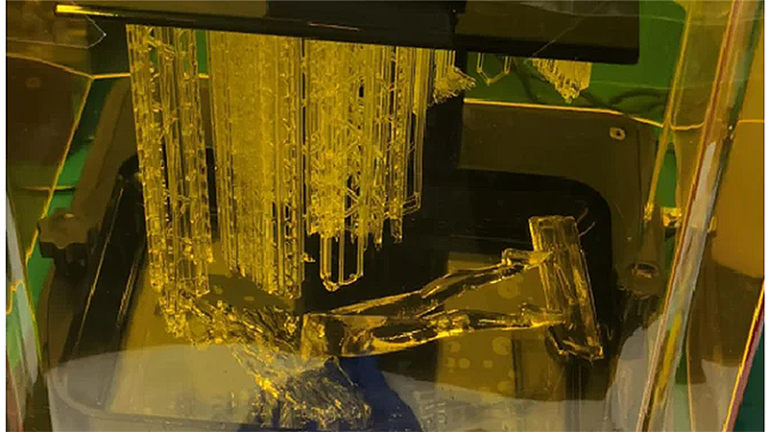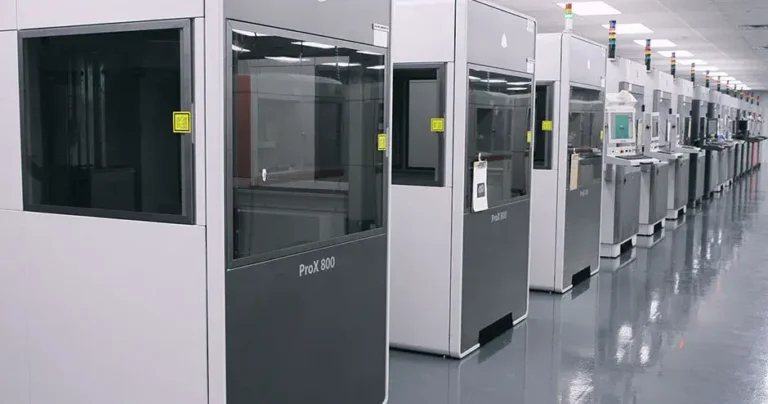
Choosing the right pricing model is crucial for profitability in the competitive 3D printing landscape.
In the dynamic world of 3D printing, establishing a sustainable and profitable pricing strategy is paramount. Two primary pricing models dominate the landscape: material-based pricing and volume-based pricing. Understanding the nuances of each is critical for 3D printing businesses aiming to optimize their revenue and remain competitive.
Material-based pricing directly correlates the cost of a print with the amount of material used. This model calculates the price based on the weight or volume of the material consumed during the printing process, factoring in material costs, waste, and a markup for profit. It’s a straightforward approach, particularly suitable for parts where material usage is a significant cost driver.
Volume-based pricing, on the other hand, focuses on the overall volume that a part occupies within the printer’s build area. This model considers factors like printer time, labor, and overhead costs associated with filling a specific volume in the printer. It’s often favored for simpler geometries or batch printing where the focus is on maximizing printer utilization.
Material-based pricing excels when dealing with parts of varying complexity and material density. It offers a high degree of accuracy, ensuring that the price reflects the actual resources consumed. Here’s a deeper look at its advantages and considerations:
This approach works best when you have parts that require support structures or have internal lattices, increasing material usage dramatically. Medical implants, aerospace components, and intricate prototypes often fall into this category.


Volume-based pricing shines when dealing with simpler geometries, batch production, or situations where maximizing printer utilization is the primary goal. This model prioritizes efficiency and ease of calculation. Let’s examine its strengths and weaknesses:
Consider volume-based pricing when you’re printing large quantities of relatively simple objects like phone cases, keychains, or basic enclosures. The focus shifts from material cost per part to overall printer efficiency and throughput.
Selecting the optimal pricing model depends on several factors, including the types of parts you produce, the materials you use, your target market, and your overall business strategy. There is no one-size-fits-all solution. A hybrid approach, combining elements of both material-based and volume-based pricing, may be the most effective strategy for many 3D printing businesses.
For example, you might use material-based pricing for complex, high-value parts and volume-based pricing for simpler, high-volume orders. You could also implement a tiered pricing structure based on part complexity, material usage, and production volume. The key is to analyze your cost structure, understand your customer base, and experiment with different pricing strategies to find the optimal balance between profitability and competitiveness.
Consider these questions when making your decision:* What is the range of complexity in the parts I typically print? * What materials do I use most often, and how volatile are their prices? * What are my primary cost drivers (material, labor, printer time)? * What pricing strategies are my competitors using? * What is my target profit margin?
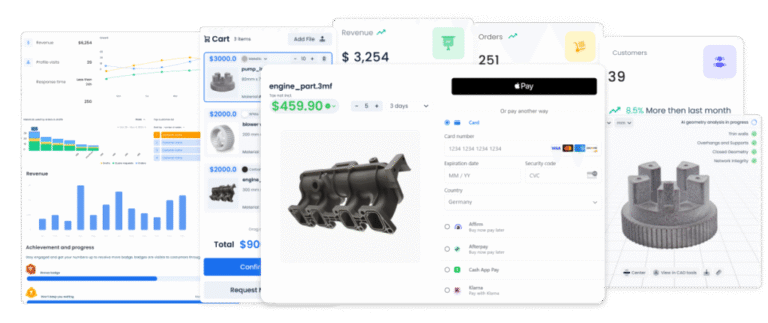
SeekMake understands the diverse needs of 3D printing businesses and provides the tools to implement flexible and effective pricing strategies. Our platform supports both material-based and volume-based pricing models, allowing you to choose the approach that best suits each project or customer.
With SeekMake, you can easily define material costs, track material usage, and calculate prices based on weight or volume. You can also set pricing rules based on part complexity, production volume, and other factors. Our platform provides real-time pricing calculations, ensuring accuracy and transparency for both you and your customers.
Furthermore, SeekMake’s quoting and order management features streamline the entire process, from initial inquiry to final delivery. You can create professional quotes, manage orders efficiently, and track your profitability in real-time. By leveraging SeekMake’s capabilities, you can optimize your pricing strategy, improve your efficiency, and grow your 3D printing business.
The true power lies in combining both models. For instance, calculate a base price using volume, then add a material surcharge based on the specific material used and its weight. This accounts for both machine time and the actual cost of materials, offering a balanced approach. Another strategy involves offering discounts for larger volume orders while maintaining material-based pricing for intricate designs. This incentivizes bulk orders without sacrificing profitability on complex parts.
Consider also implementing a complexity factor. Assign a complexity score to each part based on features like support structures, internal geometries, and surface finish requirements. This score can then be used to adjust the price, ensuring that complex parts are priced appropriately regardless of the base pricing model. By experimenting with these hybrid approaches, you can fine-tune your pricing to maximize profitability and competitiveness.
Key Takeaways