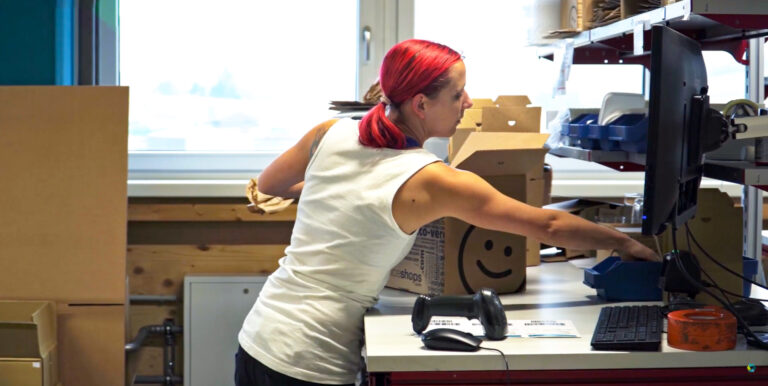
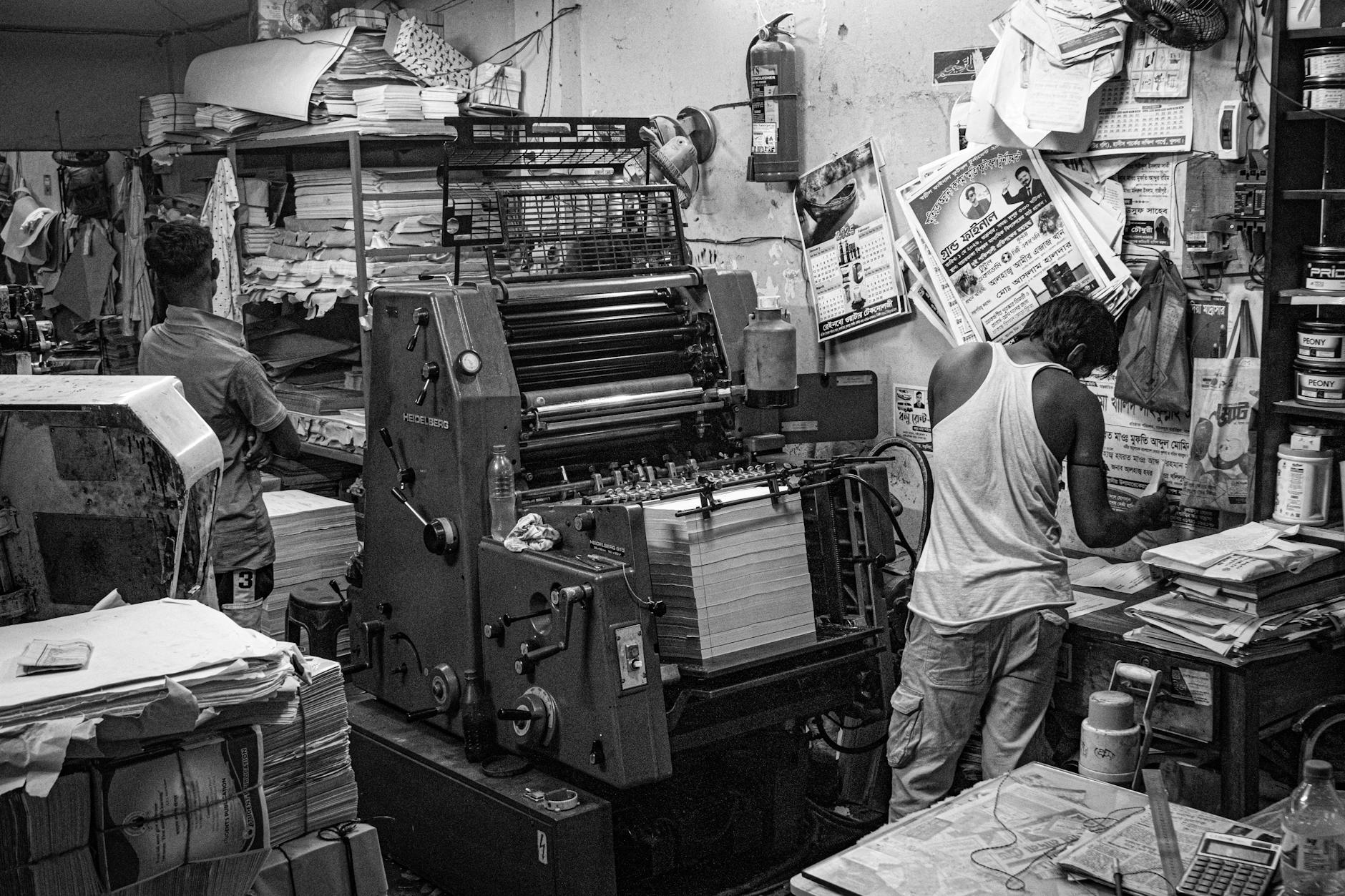
Many 3D printing businesses begin with a hands-on approach. Early on, managing a few printers and fulfilling orders manually seems manageable. Spreadsheets track orders, emails handle communication, and someone physically monitors each print. However, as demand grows, this illusion of control quickly shatters. The manual processes that once seemed adequate become bottlenecks, hindering growth and creating hidden costs that erode profitability.
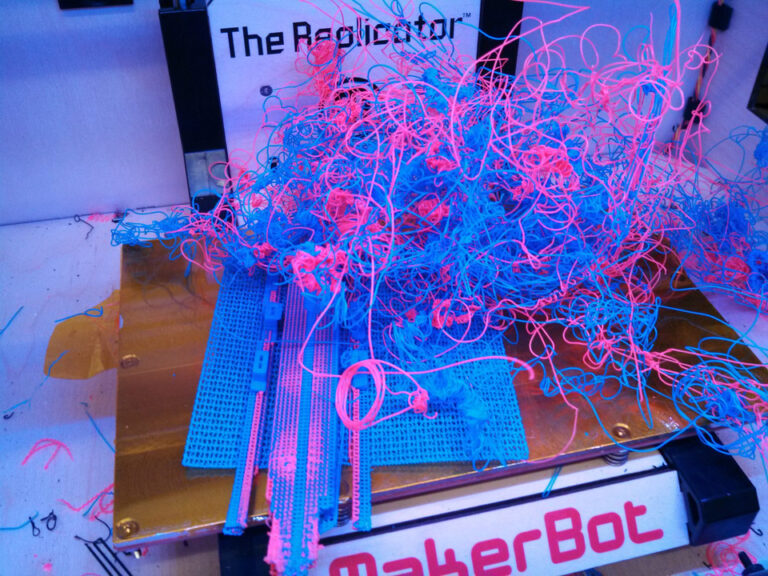
The problem isn’t just the increased workload. It’s the compounding inefficiencies. Manual data entry becomes prone to errors, leading to miscommunication and wasted materials. Print queues become disorganized, resulting in delays and frustrated customers. The lack of real-time monitoring makes it difficult to identify and resolve issues promptly, increasing the risk of failed prints and lost production time. The time spent on manual tasks prevents your team from focusing on strategic initiatives like product development and marketing, ultimately limiting your business’s potential.
Without automation, scaling becomes a reactive, fire-fighting exercise, rather than a proactive, growth-oriented strategy. You’re constantly playing catch-up, addressing problems as they arise, instead of preventing them in the first place. This reactive approach is not only stressful but also incredibly expensive, as hidden costs accumulate and eat into your bottom line.