Catch design flaws early and save time and money with AI-powered Design for Manufacturability analysis.
In the fast-paced world of 3D printing, ensuring a design is manufacturable before sending it to production is crucial. Design for Manufacturability (DFM) is the process of optimizing a part’s design to ensure it can be produced efficiently and reliably. Traditional DFM involves manual reviews by experienced engineers, which can be time-consuming and prone to human error. However, with the advent of artificial intelligence (AI), DFM is becoming more automated, accurate, and accessible.
DFM analysis identifies potential manufacturing issues early in the design process, preventing costly rework and delays down the line. This includes checking for features that are difficult or impossible to produce with a specific 3D printing technology, such as thin walls, unsupported overhangs, and tight tolerances. By addressing these issues proactively, manufacturers can improve part quality, reduce material waste, and accelerate production cycles.
AI-powered DFM tools automate several critical checks that are essential for successful 3D printing:
These are some of the critical checks that AI is capable of performing automatically.


Integrating AI-powered DFM checks into the quoting stage offers significant advantages for 3D printing businesses. Traditionally, DFM analysis is performed after a quote is accepted, which can lead to delays and cost overruns if design issues are discovered. By automating DFM at the quoting stage, manufacturers can identify potential problems before committing to production, saving valuable time and resources.
Automated DFM allows for faster and more accurate quoting. The system can quickly analyze the design and provide an instant assessment of its manufacturability, allowing for more competitive and reliable quotes. It also reduces the risk of accepting orders for parts that are difficult or impossible to produce, preventing wasted effort and customer dissatisfaction. Early DFM checks can also lead to better communication with customers, allowing for design adjustments and improved collaboration. This proactive approach fosters stronger relationships and builds trust.
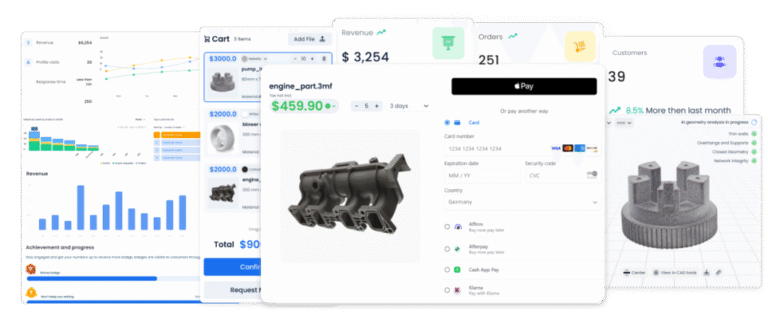
SeekMake’s platform incorporates AI-powered DFM capabilities to streamline the quoting and production process for 3D printing businesses. Our system automatically analyzes uploaded 3D models, identifying potential manufacturing issues and providing detailed feedback to the user. This includes wall thickness analysis, overhang detection, tolerance validation, and other critical checks.
SeekMake’s DFM tools are designed to be user-friendly and accessible, allowing users of all skill levels to benefit from AI-powered analysis. The platform provides clear and concise reports, highlighting areas of concern and suggesting potential solutions. By using SeekMake, 3D printing businesses can improve the quality of their parts, reduce production costs, and accelerate their time to market. We continuously update our AI algorithms to stay ahead of the curve and provide the most accurate and reliable DFM analysis available.
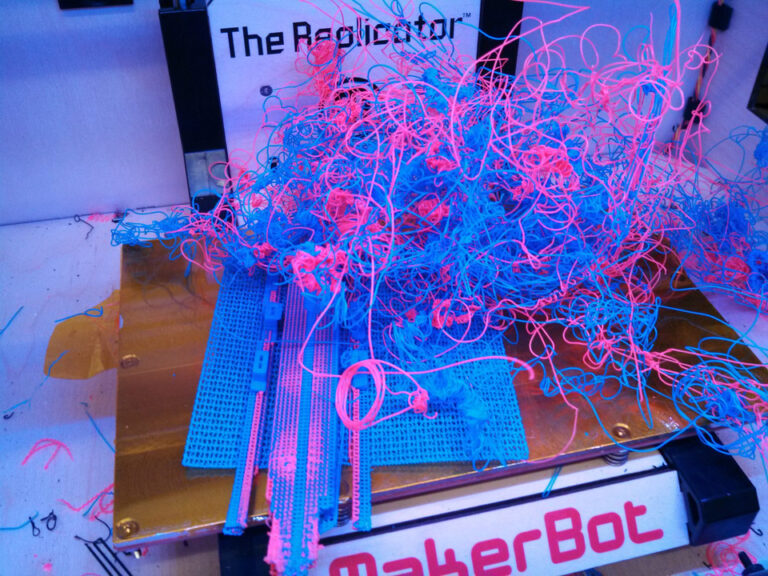
Consider a 3D printing service bureau that receives a complex design for a medical device component. Without AI-powered DFM, the bureau might accept the order and only discover during production that certain features are too small to be printed accurately, or that thin walls are collapsing. This would lead to scrapped parts, wasted material, and delays in delivery.
With SeekMake’s AI-powered DFM, the platform would automatically identify these issues during the quoting stage. The bureau could then contact the customer, explain the problems, and collaborate on design modifications before production begins. This proactive approach would save time and money, ensure the part meets the required specifications, and enhance customer satisfaction. Another example would be identifying issues with interlocking parts and tolerance stack up before the part is made.
AI is revolutionizing the field of DFM, and its impact will only continue to grow in the future. As AI algorithms become more sophisticated, they will be able to perform even more complex analyses, such as predicting material behavior under stress and optimizing designs for specific performance requirements. The integration of machine learning will enable DFM tools to learn from past projects and continuously improve their accuracy and efficiency.
In the long term, AI-powered DFM will become an indispensable tool for 3D printing businesses of all sizes. By automating the design review process, AI will free up engineers to focus on more creative and strategic tasks, driving innovation and accelerating the adoption of 3D printing across various industries. Embrace the power of AI-driven DFM to stay competitive and deliver high-quality parts efficiently.
Key Takeaways