Sheet metal fabrication has traditionally been a relationship-driven industry. Success often hinged on established networks, personal connections, and long-standing agreements. Pricing was frequently opaque, negotiated behind closed doors, and heavily influenced by the perceived value of the relationship between the buyer and the fabricator. This system, while functional for many years, created barriers to entry for smaller businesses and limited options for buyers seeking competitive pricing and faster turnaround times.
The traditional model also meant that buyers had limited visibility into the actual cost breakdown of their projects. Factors like material costs, labor rates, machine time, and overhead were often bundled into a single, non-transparent price. This lack of transparency made it difficult for buyers to compare quotes from different fabricators effectively and to understand the true cost drivers of their projects. Furthermore, the reliance on manual quoting processes often resulted in lengthy lead times and increased administrative overhead for both buyers and fabricators.
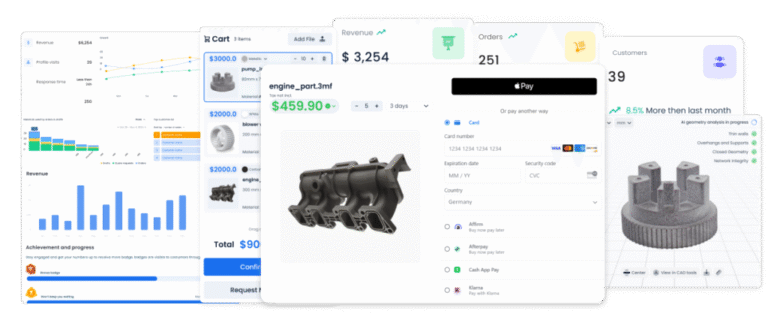
In 2026, this landscape is undergoing a significant transformation, driven by the adoption of digital tools and online platforms. These technologies are democratizing access to sheet metal fabrication services, leveling the playing field for smaller fabricators, and empowering buyers with greater control and transparency.