Uncover the AI solutions ready to transform your manufacturing processes right now — no sci-fi fantasies, just real results.
Artificial intelligence is the buzzword on everyone’s lips, and manufacturing is no exception. We’re bombarded with visions of fully autonomous factories run by robots, predictive maintenance systems that never fail, and AI-driven designs that optimize everything. While the long-term potential is undeniable, the reality is that much of this is still years away from practical implementation. Many manufacturers are left wondering: what AI solutions can actually deliver value today?
The problem is distinguishing between genuine, production-ready AI tools and the vaporware that dominates much of the conversation. Overpromising and underdelivering can lead to wasted investments and a distrust of AI’s true potential. This article will cut through the hype and focus on AI applications that are proven, accessible, and generating tangible ROI for manufacturers right now.
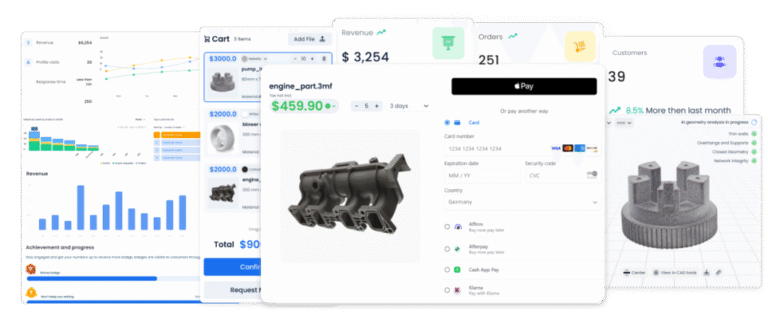
One of the most immediately impactful applications of AI in manufacturing is instant quoting and automated pricing. Traditionally, generating quotes for custom parts has been a time-consuming and labor-intensive process, often involving manual analysis of CAD files, material costs, and machine time. This delay can be a major bottleneck, slowing down sales cycles and potentially losing business to more agile competitors.
AI-powered quoting solutions automate this process by instantly analyzing part geometry, material specifications, and production requirements to generate accurate and competitive quotes. This not only saves valuable time and resources but also allows manufacturers to respond to customer inquiries much faster, improving customer satisfaction and win rates. Furthermore, AI algorithms can dynamically adjust pricing based on market conditions, production capacity, and material availability, optimizing profitability in real-time. This is a concrete example of AI delivering immediate, measurable value to manufacturing businesses.


Design for Manufacturability (DFM) analysis is another area where AI is making significant strides. Traditional DFM relies on experienced engineers to manually review designs and identify potential manufacturing challenges, such as thin walls, sharp corners, or insufficient support structures. This process is prone to human error and can be time-consuming, especially for complex parts.
AI-powered DFM tools automate this analysis by using machine learning algorithms to identify potential manufacturing issues early in the design process. By analyzing CAD models and comparing them to a vast database of manufacturing best practices, these tools can flag potential problems and suggest design modifications to improve manufacturability, reduce production costs, and minimize the risk of defects. This proactive approach helps manufacturers avoid costly rework, shorten lead times, and improve the overall quality of their products.
SeekMake’s platform embodies the practical application of AI in manufacturing. Our 3D printing price calculator leverages AI algorithms to provide instant quotes, automated pricing, and DFM feedback. We understand that 3D printing businesses need tools that deliver immediate results, not promises of future capabilities. That’s why we’ve focused on developing an AI-powered platform that addresses the most pressing challenges faced by 3D printing service providers: quoting efficiency, pricing accuracy, and manufacturability optimization.
With SeekMake, you can streamline your quoting process, respond to customer inquiries faster, and optimize your pricing for maximum profitability. Our DFM analysis tools help you identify and resolve potential manufacturing issues before they become costly problems. We believe in empowering 3D printing businesses with the AI tools they need to thrive in today’s competitive market.
While instant quoting, auto pricing, and DFM analysis represent the current sweet spot for AI in manufacturing, the technology’s potential extends far beyond these initial applications. As AI algorithms become more sophisticated and data sets grow, we can expect to see even more transformative applications emerge in areas such as predictive maintenance, process optimization, and quality control. Imagine AI systems that can predict machine failures before they occur, optimize production parameters in real-time, and automatically detect defects with unparalleled accuracy.
However, it’s important to remember that the successful implementation of AI requires a strategic approach. Manufacturers need to carefully identify their specific needs and challenges, select the right AI tools for the job, and invest in the necessary infrastructure and training. By focusing on practical applications and building a solid foundation, manufacturers can unlock the full potential of AI and drive significant improvements in efficiency, productivity, and profitability.
Ready to explore how AI can benefit your manufacturing business? Here’s a practical roadmap to get you started:
By taking a strategic and pragmatic approach, you can harness the power of AI to transform your manufacturing processes and gain a competitive edge.
Key Takeaways