Master multi-technology 3D printing quotes with an automated, unified pricing platform.
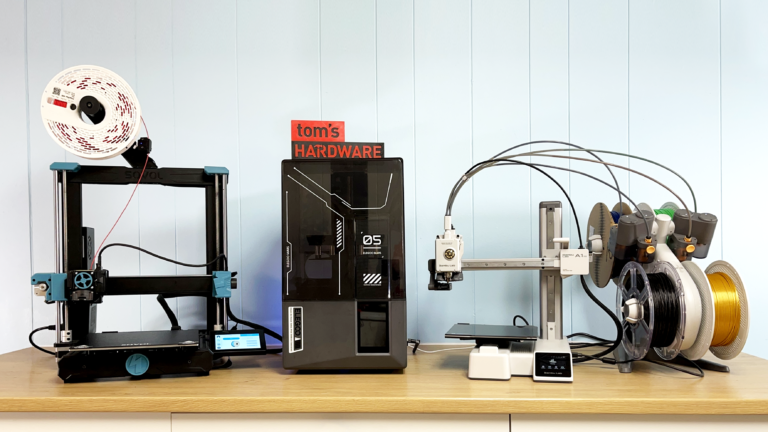
The world of 3D printing offers a diverse range of technologies, each with its own strengths and weaknesses. Stereolithography (SLA), Fused Deposition Modeling (FDM), and Selective Laser Sintering (SLS) are three of the most popular. However, accurately pricing parts produced by each technology requires understanding their unique cost drivers. Neglecting these nuances can lead to inaccurate quotes, impacting profitability and customer satisfaction.
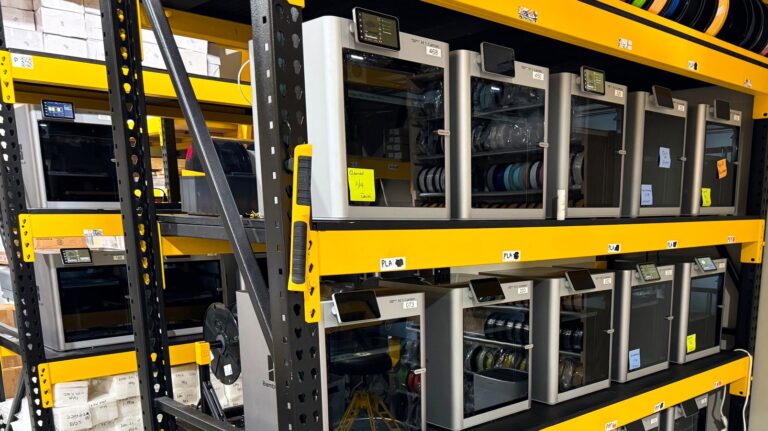
FDM (Fused Deposition Modeling): The primary cost drivers for FDM are material cost (filament) and printing time. Filament costs vary widely based on material type (PLA, ABS, PETG, Nylon, etc.) and quality. Printing time is affected by part size, layer height, infill density, and the number of parts being printed simultaneously. Higher infill and finer layer heights increase print time and material usage, directly impacting cost. Machine maintenance and electricity consumption also contribute, but are typically secondary to material and time.
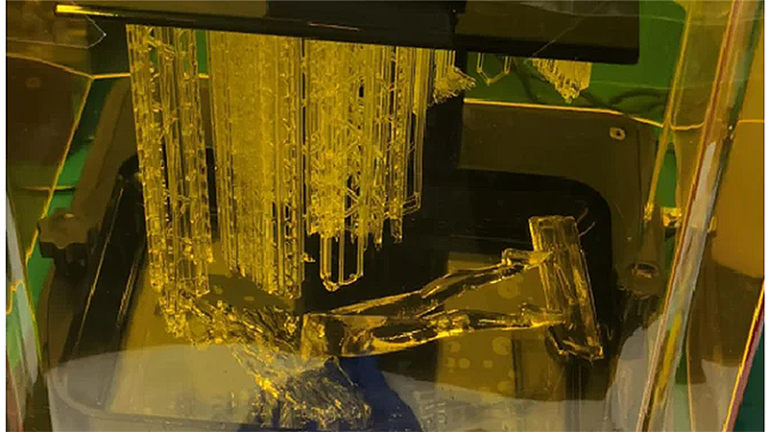
SLA (Stereolithography): SLA pricing is largely determined by resin volume and post-processing time. The amount of resin used to create the part is a direct cost. Support structures are often required and consume additional resin. Post-processing, including washing, curing, and support removal, adds labor time and may require specialized equipment. The cost of the resin itself varies significantly based on its properties (e.g., standard, tough, flexible) and the required level of detail in the print.
SLS (Selective Laser Sintering): SLS pricing is more complex, driven primarily by the powder refresh ratio and part density within the build volume. SLS requires a certain percentage of fresh powder to be mixed with recycled powder for each print job. This powder refresh rate, combined with the overall powder cost, significantly impacts pricing. Part density, or how much of the build volume is occupied, also affects the cost. Higher density means more material usage and potentially longer print times. Unlike FDM and SLA, SLS often requires minimal support structures, reducing material waste and post-processing time. However, the initial investment in SLS equipment is typically higher.
Manually calculating quotes across multiple 3D printing technologies is a time-consuming and error-prone process. Each technology requires different calculations, material considerations, and post-processing steps. This complexity makes it difficult to provide accurate and competitive quotes quickly. Sales teams often lack the technical expertise to account for all the cost variables, leading to pricing inconsistencies and potential losses. Furthermore, tracking material costs, machine utilization, and labor expenses across different technologies in spreadsheets is cumbersome and inefficient.
Consider a scenario where a customer requests quotes for the same part using FDM, SLA, and SLS. Manually calculating the FDM quote requires estimating filament usage, printing time, and any necessary support material. The SLA quote involves calculating resin volume, support volume, and post-curing time. The SLS quote requires determining the powder refresh ratio, part density, and any necessary unpacking and cleaning. Juggling these calculations for multiple parts and customers can quickly become overwhelming, increasing the risk of errors and delays.
The lack of automation in multi-technology quoting also hinders scalability. As the volume of quote requests increases, the manual process becomes a bottleneck, preventing businesses from efficiently responding to customer inquiries and winning new projects. This can lead to lost opportunities and a competitive disadvantage.


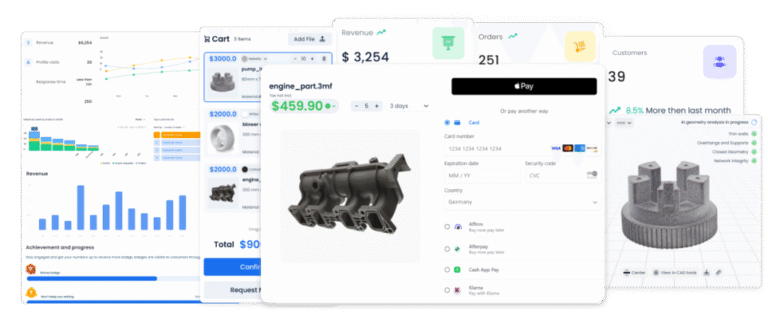
A unified 3D printing pricing platform, like SeekMake, offers a solution to the challenges of manual multi-technology quoting. These platforms allow manufacturers to configure separate pricing engines for each 3D printing technology under a single, centralized storefront. This streamlines the quoting process, reduces errors, and improves efficiency.
With SeekMake, you can define specific pricing rules for FDM, SLA, and SLS based on their respective cost drivers. For FDM, you can set pricing based on filament type, printing time, and support material usage. For SLA, you can configure pricing based on resin volume, post-processing time, and resin type. For SLS, you can define pricing based on powder refresh ratio, part density, and machine utilization. The platform automatically calculates the quote based on these rules, eliminating the need for manual calculations.
Furthermore, SeekMake provides real-time cost tracking and reporting, allowing you to monitor material costs, machine utilization, and labor expenses across different technologies. This data-driven approach enables you to optimize pricing strategies and improve profitability. The platform also integrates with other business systems, such as CRM and ERP, to further streamline operations and improve data accuracy.
SeekMake’s platform allows for granular control over pricing configurations for each 3D printing technology. For example, when configuring the FDM pricing engine, you can upload a material database with costs per kilogram for each filament type. You can then define formulas that calculate material cost based on part volume and material density. Similarly, you can configure pricing based on machine running time, factoring in machine depreciation and electricity costs.
For SLA, the pricing engine can be configured to calculate resin volume based on the STL file and automatically add a surcharge for specific resin types (e.g., biocompatible resins). Post-processing costs can be added based on estimated labor time and equipment usage. The platform can also account for the cost of support removal and surface finishing.
The SLS pricing engine can be configured to calculate the powder refresh ratio based on the material type and machine settings. The platform can also factor in the cost of nitrogen gas used during the printing process. Machine utilization costs can be allocated based on the number of parts being printed in each job. SeekMake allows you to tailor the pricing engine to your specific manufacturing processes and cost structure for each technology, ensuring accurate and competitive quotes.
Automating multi-technology quoting offers numerous benefits for 3D printing businesses. It significantly reduces quoting time, allowing sales teams to respond to customer inquiries more quickly and efficiently. This improved responsiveness can lead to increased sales and customer satisfaction. Automated quoting also eliminates manual errors, ensuring accurate and consistent pricing across all technologies. This reduces the risk of underpricing or overpricing parts, maximizing profitability.
Furthermore, automation frees up valuable time for sales and engineering teams to focus on other critical tasks, such as customer relationship management and product development. This improved efficiency can lead to increased productivity and innovation. Automated quoting also provides better visibility into cost structures, allowing businesses to identify areas for improvement and optimize pricing strategies. This data-driven approach can lead to significant cost savings and increased profitability.
Finally, automated multi-technology quoting enables scalability. As the volume of quote requests increases, the automated process can handle the increased workload without requiring additional staff. This allows businesses to grow and expand their operations without being constrained by manual processes.
Key Takeaways