Optimize your pricing and maximize your profits with SeekMake's powerful Custom Pricing engine.
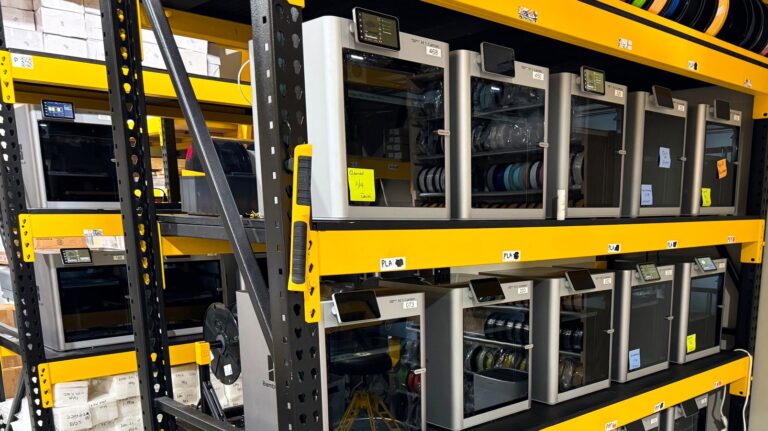
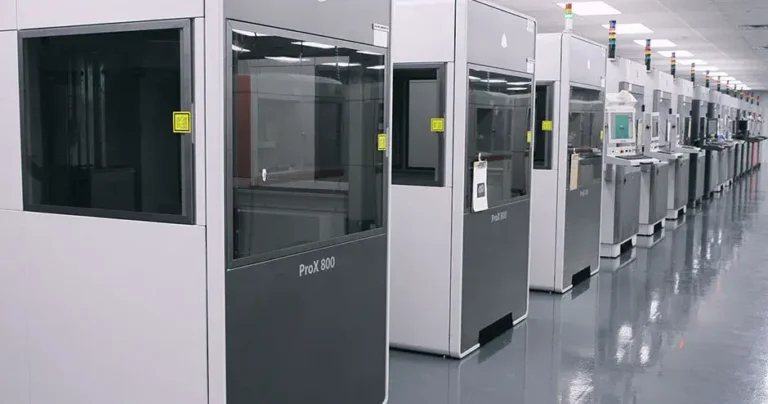
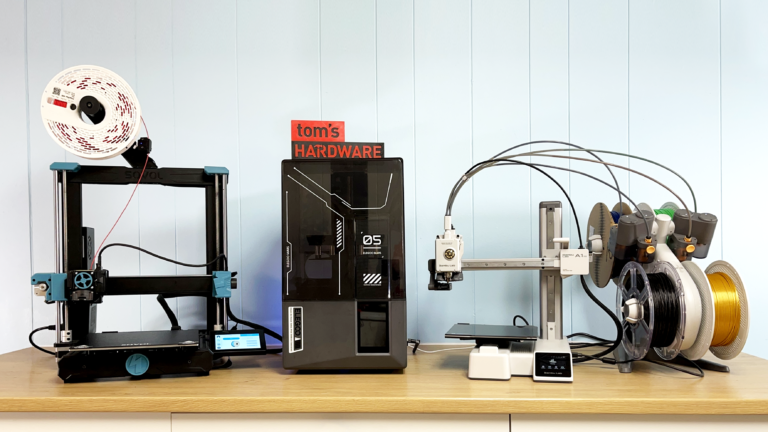
Before you can even think about setting prices, you need a firm grasp on your startup costs. These are the one-time expenses required to launch your 3D printing service. Key elements include the cost of your 3D printer(s), software licenses (CAD, slicing, and SeekMake subscriptions), initial material purchases (filaments, resins, etc.), and any necessary equipment like post-processing tools. Don’t forget to factor in the cost of setting up your workspace, whether it’s a dedicated room in your home or a commercial facility.
Accurately calculating these initial investments is crucial because they directly impact your breakeven point. A higher initial investment means you’ll need to generate more revenue to recoup your costs and start turning a profit. Track every expense meticulously. Consider using accounting software or a simple spreadsheet to monitor your spending. Understanding your startup costs is the bedrock of building a sustainable and profitable 3D printing business. Without this foundation, your pricing strategy will be built on shaky ground.
Volume pricing is a powerful tool for attracting and retaining customers while increasing your overall profitability. The principle is simple: offer discounts to customers who order larger quantities of the same part or product. This incentivizes them to consolidate their orders with you, reducing your per-unit production costs and streamlining your workflow.
Implementing volume pricing requires careful consideration. You need to determine the optimal discount tiers that are attractive to customers without significantly eroding your profit margins. SeekMake’s Custom Pricing engine allows you to easily create and manage volume-based pricing rules. You can set different discount percentages for various quantity ranges, ensuring that your pricing remains competitive and profitable. For example, you might offer a 5% discount for orders of 10-20 units, a 10% discount for orders of 21-50 units, and a 15% discount for orders exceeding 50 units. Experiment with different discount structures to find the sweet spot that maximizes both sales volume and profit margins. Remember to clearly communicate your volume pricing policy to your customers to avoid confusion and encourage larger orders.


Bounding box pricing is a popular method for calculating 3D printing costs based on the overall dimensions of the printed object. It involves defining a rectangular prism (the bounding box) around the part and using its volume to determine the price. This approach is particularly useful for parts with complex geometries that are difficult to estimate using traditional methods like material usage. Bounding box pricing offers a degree of transparency and predictability that customers appreciate. It allows them to easily estimate the cost of their prints before placing an order, fostering trust and confidence in your services.
SeekMake’s Custom Pricing engine allows you to implement bounding box pricing with ease. You can define the price per cubic centimeter (or inch) of the bounding box, and the system will automatically calculate the cost based on the part’s dimensions. You can also factor in other variables, such as material type and printing time, to fine-tune your pricing and ensure profitability. A key advantage of using SeekMake is the ability to combine bounding box pricing with other pricing models. For instance, you might use bounding box pricing as a base price and then add a surcharge for specific materials or post-processing requirements. This flexibility allows you to create a highly customized pricing strategy that reflects the true cost of your services.
The true power of SeekMake’s Custom Pricing engine lies in its ability to combine different pricing schemes. Don’t limit yourself to just volume pricing or bounding box pricing. Instead, explore how you can integrate these and other pricing models to create a comprehensive strategy that maximizes your profit margins without deterring customers. For example, you could use bounding box pricing as a base price, then add a material surcharge based on the filament or resin used. You could also incorporate volume discounts to incentivize larger orders. Another effective strategy is to offer tiered pricing based on lead time. Customers who are willing to wait longer for their prints could receive a discount, while those who need them urgently would pay a premium.
Experiment with different combinations and analyze the results using SeekMake’s built-in reporting tools. This will help you identify the most profitable pricing strategies for your specific business and customer base. Remember to regularly review and adjust your pricing as your costs and market conditions change. A dynamic pricing strategy is essential for maintaining a competitive edge and ensuring long-term profitability in the rapidly evolving 3D printing industry. SeekMake provides the tools and flexibility you need to stay ahead of the curve.
While maximizing profit margins is crucial, it’s equally important to avoid pricing strategies that alienate your customers. Transparency is key. Clearly communicate your pricing policies and avoid hidden fees or unexpected charges. Use SeekMake to provide detailed breakdowns of the costs associated with each print, so customers understand exactly what they’re paying for. Be mindful of your competitors’ pricing. Research the market and ensure that your prices are competitive, but don’t be afraid to charge a premium for superior quality or faster turnaround times. Focus on providing exceptional value to your customers.
Offer excellent customer service, deliver high-quality prints, and be responsive to their needs. This will build trust and loyalty, making them more willing to pay a fair price for your services. Avoid drastic price increases without proper justification. If you need to raise your prices, communicate the reasons to your customers in advance and explain how it will benefit them (e.g., by allowing you to invest in better equipment or expand your service offerings). By striking a balance between profitability and customer satisfaction, you can build a thriving 3D printing business that enjoys both financial success and a loyal customer base.
Key Takeaways